When we talk about moving away from punitive approaches in drug policy, one common response is that harm reduction and support for people who use drugs is enabling harmful behaviour.
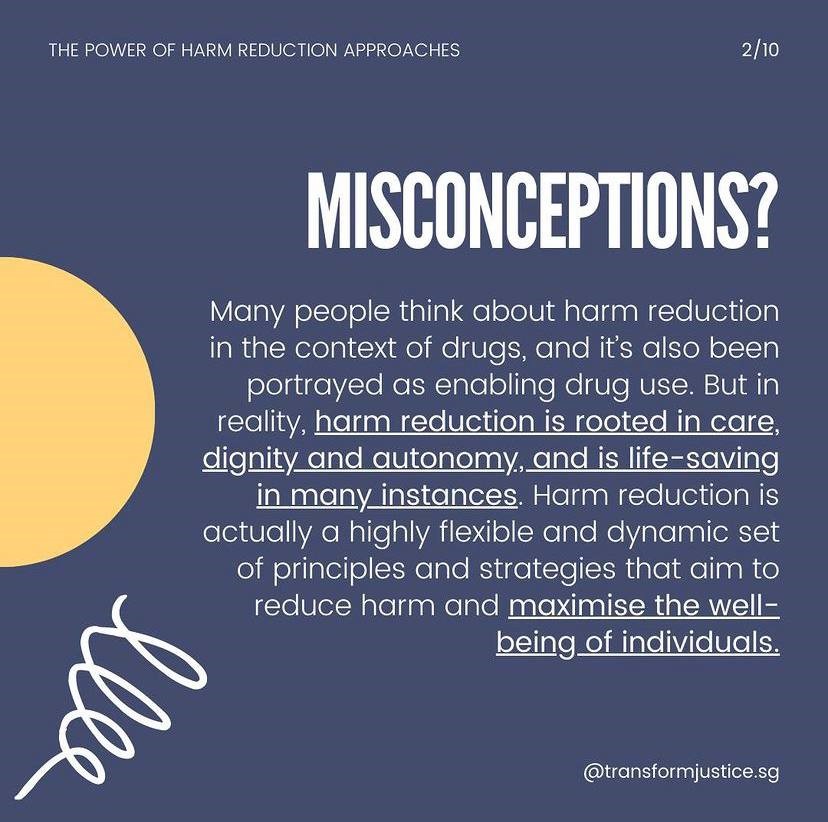
Misconceptions?




Many people think about harm reduction in the context of drugs, and it’s also been portrayed as enabling drug use. But in reality, harm reduction is rooted in care, dignity, and autonomy, and is life-saving in many instances. Harm reduction is actually a highly flexible and dynamic set of principles and strategies that aim to reduce harm and maximise the well-being of individuals.
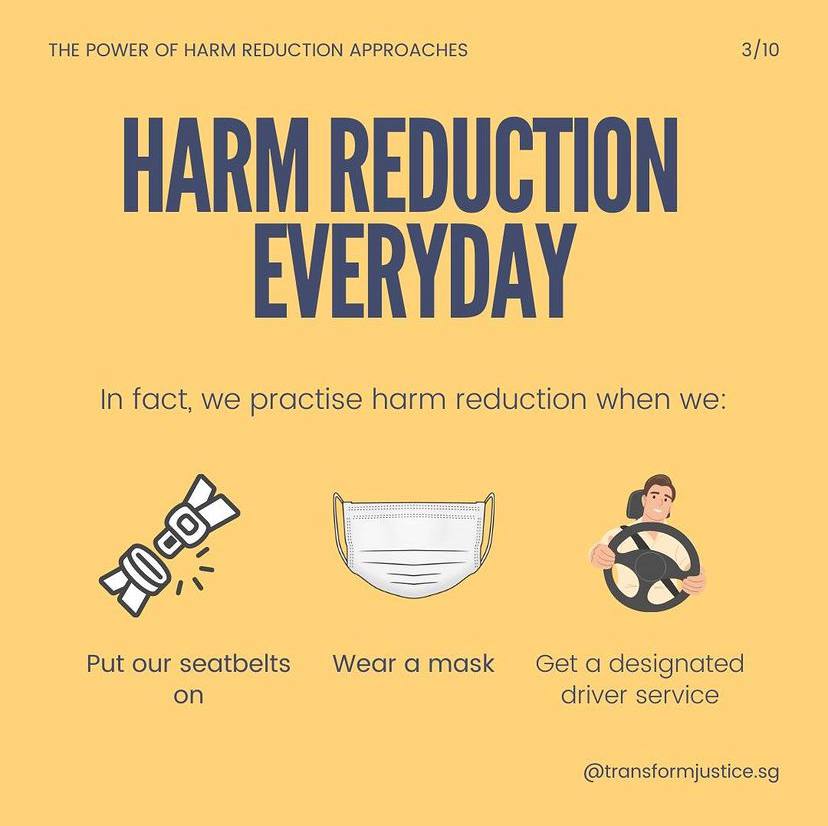
Harm Reduction Everyday
In fact, we practise harm reduction when we:
- Putting our seatbelts on
- Wear a mask
- Get a designated driver service
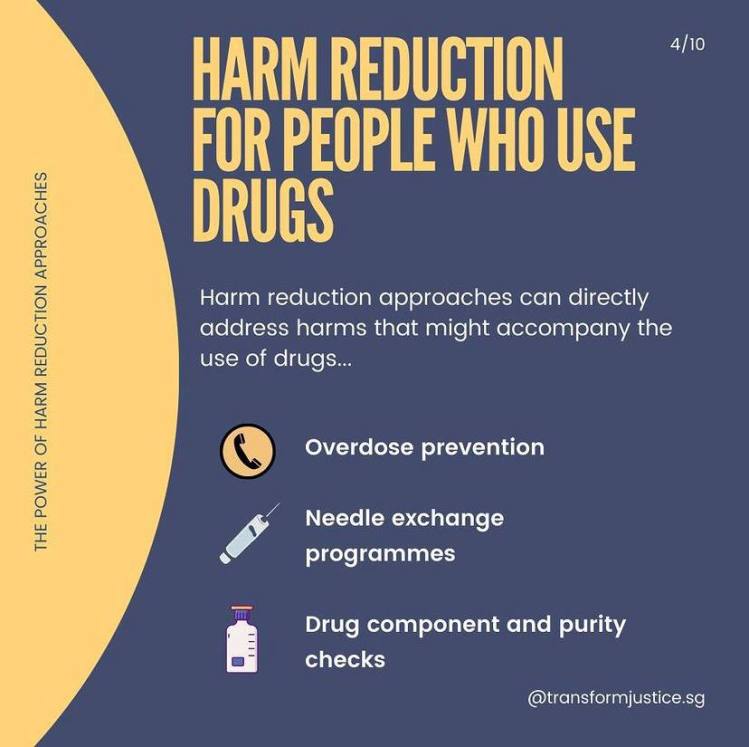
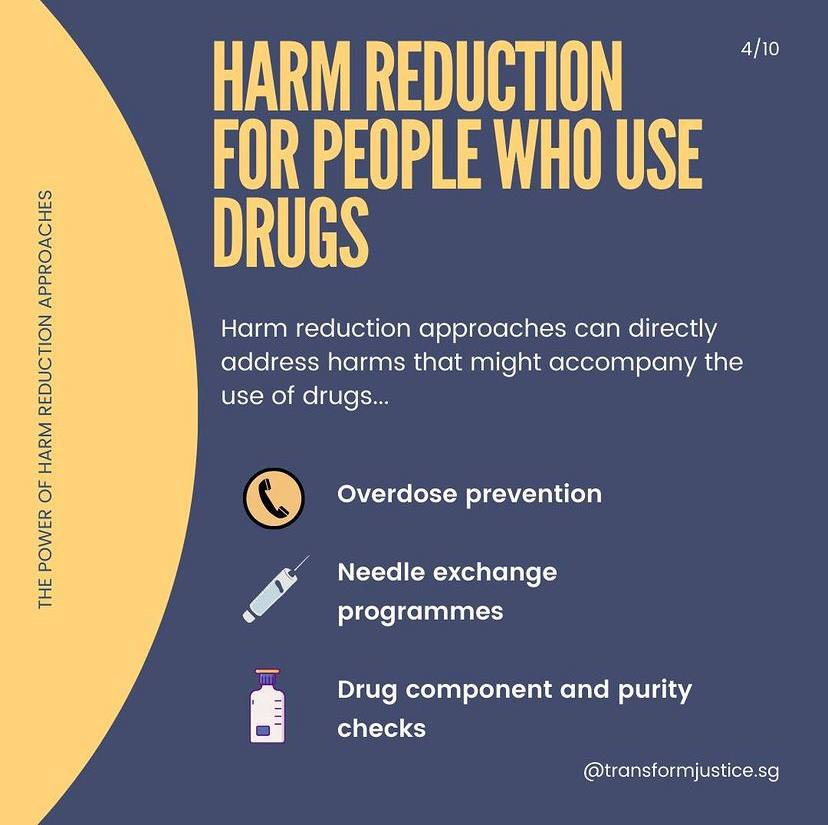
Harm reduction for people who use drugs
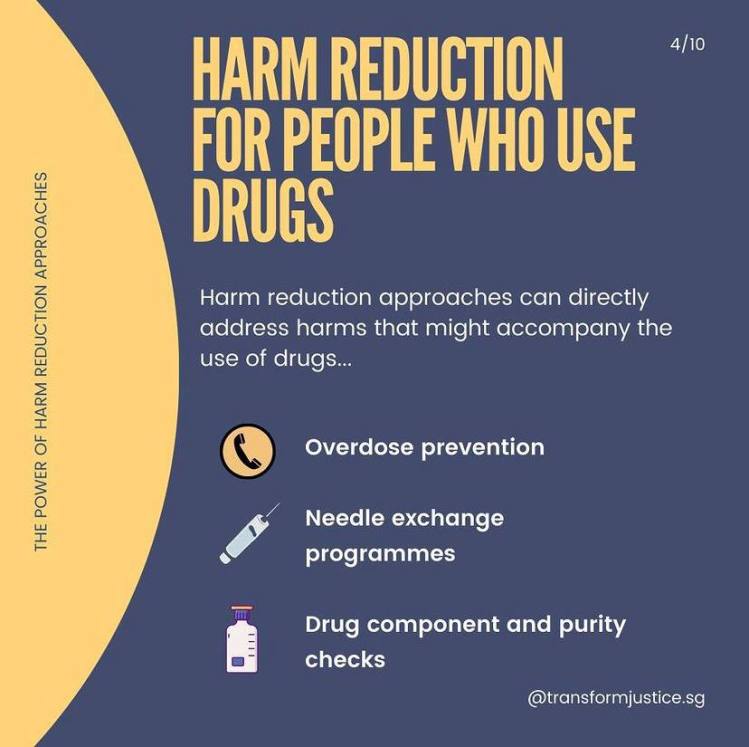
Harm reduction approaches can directly address harms that might accompany the use of drugs…
- Overdose prevention
- Needle exchange programmes
- Drug component and purity checks
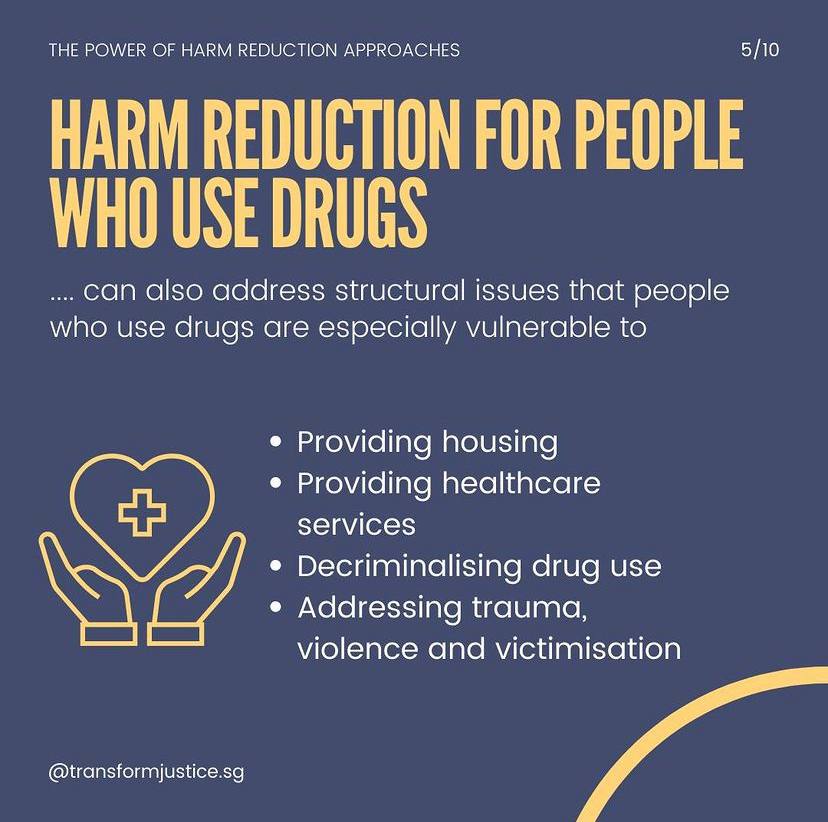
It can also address structural issues that people who use drugs are especially vulnerable to
- Providing housing
- Providing healthcare services
- Decriminalising drug use
- Addressing trauma, violence and victimisation
Helping or supporting someone is not enabling them
Supporting someone looks like assisting them in areas where they cannot yet support themselves or facilitating processes that strengthen their agency and self-determination.
Enabling someone can be disempowering, like helping someone solve problems on their behalf, or taking responsibility away from someone else.
Support is given to reduce harms and set people up to gain control of their lives, while allowing people the dignity to take responsibility for their own actions.
In practice, it sometimes involves showing compassion, but also reflecting the mirror of truth and not hiding the consequences of an action from an individual.
Reach Out
There is no prescriptive rule when it comes to deciding what is helping versus enabling harmful behaviour, as each situation is unique.
What is important is you reach out to loved ones and trusted professionals to get help and perspectives.
Harm reduction remains one of the key ways of ensuring a compassionate and human rights-centred approach to understanding and responding to drug use.
 Transformative Justice Collective