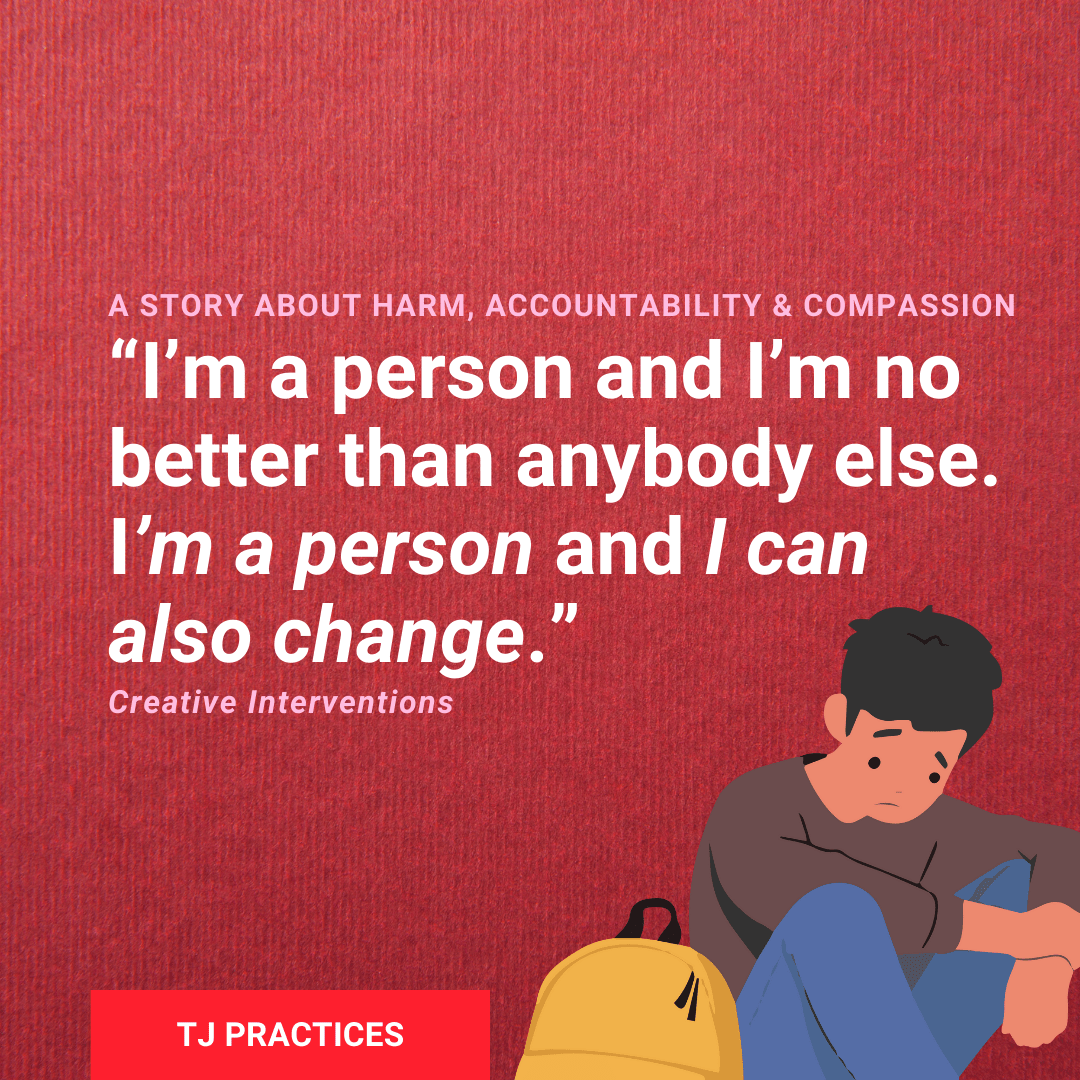
A man in his 20s recounts his story of accountability, and how healing from his own past trauma allowed him to address the ways he had harmed others too.
A tremendous realisation he had was how accountability driven by shame and guilt was not truly possible. Instead, it had to be driven by compassion for himself and others.
Accountability and its early beginnings
My accountability process began in my early 20s where I started to get in touch with people from a discussion group.
I was responsible for crossing people’s sexual boundaries and behaving in gender-oppressive ways. I realised this was part of a bigger issue deeply rooted within me, which I was not able to solve by just stopping myself from doing it in the moment.
Even if I managed to do so in a given moment, it did not allow me to intervene in the chronic patterns that had been repeating throughout my life.
At a certain point of confronting all this, I gave in to the tremendous amount of self-hate I held. All my mind could imagine was the gruesome violence I could do to myself.
I was in a huge amount of distress, ripped apart by trying to keep myself from the knowledge of the harm I had done.
Guilt and shame
Guilt and shame contributed to the hateful feelings I harboured towards myself.
It took years to finally understand how I experienced guilt. I experienced it as a feeling of being deserving of punishment.
However, when I try to right my wrongs from a place of shame instead of compassion, I noticed it felt like a never-ending demand, which eventually led to emotional burnout.
I experienced shame as being someone whom I could not stand. I had suicidal thoughts and images of self-harm.
In the past, I felt that it was impossible to allow myself to be vulnerable. I did not have good models of healthy communication, and asking for consent had a vulnerability attached to it. This created a wall for me around navigating consent.
The desire to talk to someone had always been present, but I couldn’t bring myself to, because of the fear that those who sexually abuse are perceived to be the most evil and deserve violence as the ultimate punishment.
As a result, I unconsciously refused to acknowledge my history of abusive behaviours, but also being a survivor of violence myself.
After years of struggle, I could finally acknowledge that something needed to change. The journey was not easy, but every stage was necessary to help me heal.
Stages of change
- I had put myself in total isolation (which was not the best option) in order to keep myself away from doing harm. I made sure to open myself up to research and self-education to learn how to start my journey of change.
- Going to therapy was the second step I made to understand my own history better (emotional triggers, situations, day-to-day interactions) and figure out the boundaries that I needed to protect so that I was not going to hurt anybody. This was also accompanied by actively seeking to learn other people’s boundaries and understanding them.
- Once I had that containment figured out and had the space to trust myself, I was able to look inwards and started working on self-transformation and healing. A part of it was that I still crossed people’s boundaries on a regular basis which often made me flare-up with guilt and shame. However, I made sure that those feelings progressed into a turning point of learning.
- I worked with an accountability group that I sought out for myself and was able to start reaching back outwards again by getting involved in organising and forming relationships. The strict rule that I once applied of avoiding people started to shift once I understood my limits and boundaries enough.
- I started to realise that at some point, with every person I was about to form a friendship with, I felt the importance of telling them about my past as I believed I could gain more than the privilege of retaining my anonymity. Being involved in a discussion group made it easier to talk about.
Once I started talking to people about the things I was most ashamed about, I realised that the shame I held was becoming transformative. I started to move on with compassion, instead of guilt.
To find, connect with, and express the grief I felt became a huge part of my healing journey.
Accountability as a gift
One can shift their perspective from perceiving accountability as a punishment, to regarding it as a gift.
The value of repairing harm towards others can only be understood once they have acknowledged the harm they themselves faced in the past.
I may not be able to attend to all the needs of survivors of sexual violence, but one thing that accountability has taught me is that I have to live the values I have committed to, to ensure that I do not repeat those patterns.
Any harm, at the least, ends with me. I need to be engaged with the world to be part of ending the sexual violence that continues to affect people everywhere.
I learned that accountability offers the gift of humility where I put myself in a position knowing that I am no different nor on a another level from any other human being.
This fosters my ability to understand people’s struggle and pain, while also learning from it. The ability to love people comes out of that compassion and shared struggle.
Source: Creative Interventions Toolkit (Section 5, Page 25-34) https://www.creative-interventions.org/toolkit/
 Transformative Justice Collective